
Overcome Language Anxiety in High Stakes Meetings
Emma Thompson ·

High stakes meetings can feel overwhelming even when you are fluent in English. For many professionals the pressure to perform perfectly in another language turns simple nerves into full blown anxiety that affects clarity and confidence.

Recognizing What Triggers Your Anxiety
Most people notice their heart racing right before they need to speak. Others worry about grammar mistakes or forgetting key vocabulary mid sentence. These reactions are normal but they become stronger when the outcome of the meeting matters a great deal. Identifying your personal triggers is the first step toward managing them.
Common triggers include
- Fear of being judged by senior colleagues
- Concern about pronunciation in front of native speakers
- Pressure to sound as polished as your written reports
Once you name these fears they lose some of their power. Many professionals find that simply acknowledging the feeling out loud to a trusted colleague reduces its intensity.
Preparation That Actually Works
Effective preparation goes beyond reading the agenda. Focus on the key messages you need to deliver and practice them in short spoken bursts rather than long scripts. Record yourself on your phone and listen back to catch places where you hesitate. This helps your brain get used to hearing your own voice in English under simulated pressure.

Build a small bank of useful phrases that fit your industry. Phrases like “I would like to add that” or “One point to consider is” give you time to think while sounding natural. Rehearse these until they feel automatic.
Techniques to Use During the Meeting
When the moment arrives try grounding exercises that take only seconds. Before you speak take a slow breath through your nose and release it quietly. This calms your nervous system without drawing attention. If you lose your train of thought it is perfectly acceptable to pause and say “Let me rephrase that.” Most listeners appreciate the clarity more than perfect fluency.
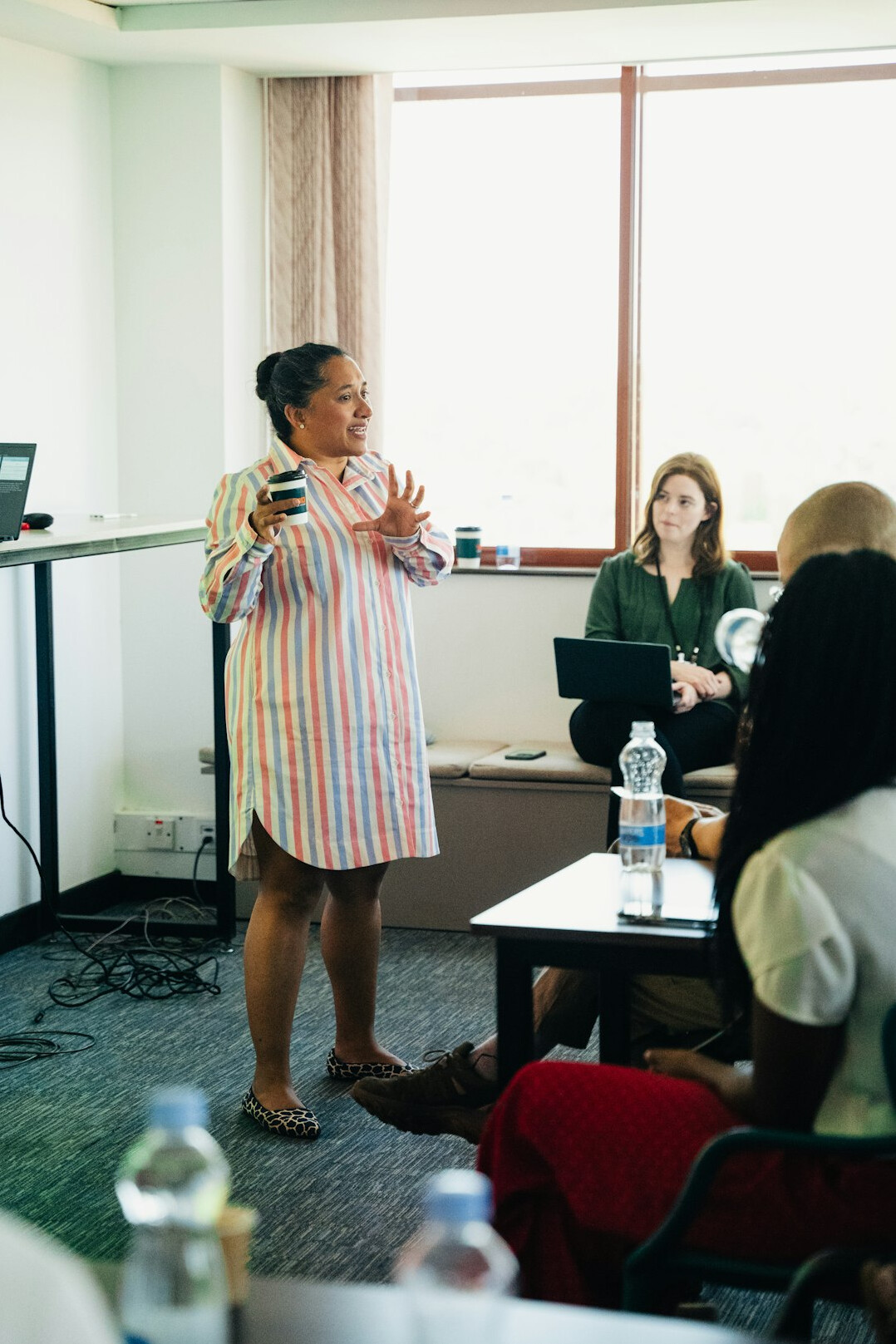
Another helpful approach is to reframe the meeting as a conversation rather than a performance. Ask questions early to engage others and shift focus away from yourself. This creates natural pauses and gives you time to gather your thoughts.
Long Term Confidence Building
Language anxiety decreases with consistent low pressure practice. Join a small discussion group or schedule regular one on one calls with a language coach. Over time these experiences build resilience so that high stakes situations feel less threatening. Celebrate small wins such as successfully explaining a complex idea without notes. These moments accumulate and change how you view future meetings.

With steady effort the anxiety that once dominated your thoughts becomes manageable background noise. You will still feel some nerves but they no longer control your ability to contribute valuable ideas.